
Ingredient file // Flavor
Natural Hickory Smoke Flavor
A smoky cue without proven dog benefits
Natural hickory smoke flavor comes from smoke produced by heating hickory wood, then collecting and refining it. It adds a smoky smell and taste to dog food. Published pet food research has not shown that dogs prefer it or gain a health benefit.
Role in the food Does a job- What it is
- A flavoring made from collected and refined smoke produced by heating hickory wood.
- Made from
- Hickory wood smoke
- Main job
- Smoky aroma and flavor
- Typical amount
- Not published
- Watch for
- The label does not identify the extract
- Not the same as
- Smoked meat
Straight answer
Is Natural Hickory Smoke Flavor safe for dogs?
Treat smoke flavor as aroma, then move on
Near the end of a list, natural hickory smoke flavor tells you about aroma, not nutrition or smoked meat. Judge the main ingredients and the food's nutritional adequacy statement. If a brand says dogs prefer its smoky taste or gain a health benefit, ask for dog evidence.
- Why it is in the food
- Smoky aroma and flavor
- Watch for
- Unresolved extract safety
- How common
- Listed by 5 of the 3,205 foods we track
Our read // In our catalog
In 1 of every 641 foods we track
Share of foods that list it
<1%
5 of the 3,205 foods with an ingredient list on file, from 3 brands. All wet dog food.
Each square is 1% of the catalog
Where it sits on the label
Median position 15. In the top five of 0 foods, so it is usually a minor ingredient.
Above the salt
Usually listed after the salt, which caps it at roughly 1% of the recipe in 75% of foods.
Who leans on it
40%
of the foods that list it are from Fromm. 3 brands use it in total.
What it is
How it is made
Flavor makers heat wood to release smoke, then collect and refine its aromatic compounds. A food maker can blend the resulting preparation into a recipe without putting the finished food through a smokehouse.3,4
- 01 // Source Hickory wood Hickory chips provide smoke compounds; the finished flavoring is not ground wood.
- 02 // Process Smoke generated Heating wood with limited oxygen releases aromatic compounds into the smoke.
- 03 // Process Collected and refined Smoke compounds are condensed, then processed to separate usable flavor from tar and other unwanted material.
- 04 // Output Smoke flavor A prepared liquid or dried flavoring arrives ready for measured addition to pet food.
What is in it
Composition, dry matter
8.8
% phenols
About this much was measured in a concentrated mixed wood pet food extract containing hickory. Phenols contribute smoky aroma, not meaningful nutrition.
Why it is in the bag
There for smoky aroma, not for nutrition
- Main nutrition
- Supporting nutrient
- Does a job
- Mostly filler
Makers add it to give food a smoky smell and taste without smoking the meat, and FDA lists hickory smoke distillate as a flavoring agent. Labels list ingredients by weight, and AAFCO counts flavoring agents among minor ingredients, so it likely adds too little to change the food's nutrition. Its job is sensory, though one 2023 study found no published palatability results for liquid smoke in pet food.1,4,5,7
-
01
Adds smoky aroma
Smoke-derived phenols provide a recognizable smoky smell and taste. Adding a prepared flavor gives food that cue without smoking the meat or finished recipe.4,5
-
02
Controls flavor dosing
A prepared extract is measured into each batch. Central smoke production also saves food plants the equipment, space and labor needed for individual smokehouses.4
-
03
Explored for mold control
Some liquid smokes slowed mold in a model semi moist pet food. The effect depended on preparation and dose, so a flavor listing is no preservation guarantee.1
How much A model semi moist pet food tested 0.5 to 4% liquid smoke; those experimental amounts are not typical hickory flavor levels.1
Our read // The claims
What the evidence supports
Strong: controlled studies in dogs agree. Some: small or mixed dog data. Thin: mechanism or lab work only. None: nothing, or the evidence points the other way.
-
Brands say
It gives dog food a smoky aroma
Evidence
- Strong
- Some
- Thin
- None
FDA lists hickory smoke distillate as a flavoring, and a hickory-only liquid smoke sample contained 24.8% phenols as sold. That supports a smoky aroma, but neither source measures whether dogs prefer the finished food.3,5
-
Brands say
Smoke flavor keeps dog food free of mold
Outruns the evidence
Evidence
- Strong
- Some
- Thin
- None
A supplier-funded model pet food study tested liquid smokes at 0.5 to 4%. Some higher doses slowed mold, while the hickory preparation was less effective. The study did not test preservation in commercial wet dog food.1
-
Brands say
Dogs love the hickory smoked taste
Outruns the evidence
Evidence
- Strong
- Some
- Thin
- None
Researchers tested liquid smoke preparations for mold growth in model pet food, not dogs' eating choices. They found no published palatability results for those preparations. A claim of dog preference needs a dog preference test.1
-
Owners say
Natural smoke flavor is harmless to dogs
Outruns the evidence
Evidence
- Strong
- Some
- Thin
- None
AAFCO says natural carries no safety promise. EFSA could not conclude that one mixed wood pet food extract was safe for dogs and cats because of a genotoxicity concern. That assessment does not identify the extract in a US bag.2,6
Straight answers
What owners ask
-
Q01
Is it just filler?
NoIt has a sensory job: adding smoke aroma. It is not a protein source or a meaningful nutrient source. A flavoring near the end of an ingredient list is there for taste, not to build the recipe.5,7
-
Q02
Was the meat actually smoked?
Not necessarilyA manufacturer can mix smoke flavor into food without smoking its meat. Read the ingredient as a description of added flavor, not proof of how the meat was cooked.4
-
Q03
Is it banned in Europe?
One extractThe EU denied renewal for a specific mixed wood extract used in dog and cat feed in 2026. That decision does not cover every hickory flavor or reveal which preparation a US food contains.2,8
Who uses it
Brands, best sellers and the company it keeps
Top brands, by foods that list it
Foods that list it / all the brand's recipes we track.
Usually listed with, share of the foods that list it
- Chicken 80%
- Water 60%
- Meat By-Products 60%
- Wheat Flour 60%
- Wheat Gluten 60%
- Salt 60%
- Dried Carrots 60%
- Pork Broth 40%
- Potatoes 40%
- Sunflower Oil 40%
- Mixed Tocopherols 40%
- Beef 40%
On the shelf
Foods that list Natural Hickory Smoke Flavor
5 foods in our catalog list it, highest on the label first.
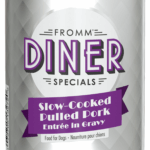 FrommFromm Four-Star Diner Specials Slow-Cooked Pulled Pork Entrée in Gravy Wet Dog Food
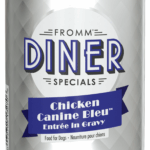 FrommFromm Four-Star Diner Specials Chicken Canine Bleu Entrée in Gravy Wet Dog Food
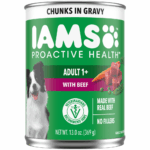 IamsIams Adult Beef Chunks IN Gravy Wet Dog Food
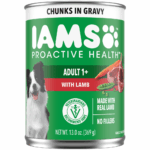 IamsIams Adult Lamb Chunks IN Gravy Wet Dog Food
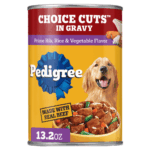 PedigreePedigree Choice Cuts IN Gravy Adult Can, Prime Rib, Rice, and Vegetable Wet Dog Food
Sources
What we read
Checked October 1, 2026.
- 1 Effects of liquid smoke preparations on shelf life and growth of wild type mold and Aspergillus flavus in a model semi moist pet food
- 2 Assessment of the feed additive consisting of a preparation containing a smoke flavouring extract for cats and dogs for the renewal of the authorisation (Azelis Denmark A/S)
- 3 Functionality of liquid smoke as an antimicrobial in cooked meat products: liquid smoke suppresses spoilage-related lactic acid bacteria
- 4 Liquid Smoke as a Food Additive: Critical Review of Functionality, Applications, and Toxicological Concerns
- 5 Substances Added to Food: Hickory Smoke Dist.
- 6 Natural
- 7 What's in the Ingredients List?
- 8 Reglamento de Ejecución (UE) 2026/89 de la Comisión