
Ingredient file // Animal protein
Chicken Giblets
Useful organ protein, weighed with its water
Chicken giblets are organs removed during chicken processing, usually liver, heart and sometimes gizzard. They add animal protein and minerals to dog food. Fresh giblets contain substantial water, so their place on an ingredient list does not tell you their contribution to the finished kibble.

- What it is
- Edible chicken organs, usually liver, heart and gizzard, used fresh as a dog food ingredient.
- Made from
- Organs removed from processed chickens
- Main job
- Animal protein and flavor
- Typical amount
- Not published; 2 brand recipes list 4% and 6.5%
- Watch for
- Avoid with a diagnosed chicken allergy
- Not the same as
- Chicken by-product meal
Straight answer
Is Chicken Giblets safe for dogs?
Read the organs and the whole recipe
Look for a label that names the organs, then read the other protein sources and the nutritional adequacy statement. Fresh giblets are useful animal food, but their water boosts their listed weight. A high position alone is no protein guarantee. Skip them if your dog has a diagnosed chicken allergy.
- Why it is in the food
- Animal protein and flavor
- How common
- Listed by 4 of the 3,205 foods we track
Our read // In our catalog
In 1 of every 801 foods we track
Share of foods that list it
<1%
4 of the 3,205 foods with an ingredient list on file, from 1 brand. All dry dog food.
Each square is 1% of the catalog
Where it sits on the label
Median position 3.5. In the top five of 3 foods, so it is usually a main ingredient.
Above the salt
Almost always listed before the salt, so there is more of it than a pinch.
Price per lb
Median of the cheapest bag price across 4 priced foods, 46% above the catalog. The price is the food's, not the ingredient's.
Who leans on it
100%
of the foods that list it are from Orijen. 1 brand use it in total.
What it is
How it is made
Poultry processors remove the organs while preparing chicken carcasses. Liver, heart and gizzard form a separate stream that can go into pet food. Fresh giblets are cleaned and kept cold until the manufacturer cooks them into the recipe.8,9,11
- 01 // Source Processed chickens Internal organs are removed from carcasses during the poultry plant's evisceration step.
- 02 // Process Organs separated A giblet harvester separates hearts, livers and gizzards from the remaining viscera.
- 03 // Process Washed and chilled The separated organs reach a wash table; fresh ingredients are kept refrigerated before use.
- 04 // Output Fresh giblets The organ mix reaches the kibble plant with most of its original water still present.
What is in it
Composition, dry matter
71-72
% protein
Calculated from USDA entries for 2 raw chicken giblet mixes after removing water. Fresh giblets weigh much more before cooking.
Why it is in the bag
What the manufacturer gets
-
01
Adds animal protein
Giblets supply protein alongside the recipe's other meats. Their fresh weight includes substantial water, which leaves during cooking, so list position alone exaggerates their dry contribution.4,7
-
02
Adds organ flavor
Liver and heart bring a distinct animal flavor. Dogs accepted diets containing their hydrolyzed protein, although that trial did not test whether fresh giblets improve preference.1
-
03
Uses recovered organs
Processing plants already separate these organs from chicken carcasses. Pet food gives that stream a use without requiring additional breast or thigh meat.8,9
How much Two published brand recipes list fresh chicken giblets at 4% and 6.5%; they are examples, not a usual industry amount.11,12
Our read // The claims
What the evidence supports
Strong: controlled studies in dogs agree. Some: small or mixed dog data. Thin: mechanism or lab work only. None: nothing, or the evidence points the other way.
-
Brands say
Giblets supply protein, iron and vitamin A
Evidence
- Strong
- Some
- Thin
- None
A USDA raw giblet entry reports 17.88 g protein, 5.86 mg iron and 2,657 micrograms vitamin A per 100 g. Those nutrients are present, but the bag does not reveal the organ mix or its final nutrient contribution.4
-
Brands say
Giblets provide digestible animal protein
Outruns the evidence
Evidence
- Strong
- Some
- Thin
- None
In a 10-dog crossover trial, hydrolyzed chicken liver and heart worked as a protein source in complete kibble. That processed ingredient is related to giblets, but the study did not measure digestibility of a fresh giblet mix.1,4
-
Brands say
Giblets make kibble more appetizing
Outruns the evidence
Evidence
- Strong
- Some
- Thin
- None
In a 2-bowl test using panels of 25 dogs, a chicken by-product meal food beat several other chicken formulas. That meal was not fresh giblets. No preference trial shows an advantage for this ingredient.1,2
-
Brands say
Giblets improve gut and skin health
Outruns the evidence
Evidence
- Strong
- Some
- Thin
- None
A 10-Beagle trial found fecal changes after feeding liver and heart hydrolysate, while skin and coat measures did not improve. Hydrolysis changes the ingredient, and the trial did not test fresh giblets or show a health benefit.1
-
Brands say
Heart taurine and CoQ10 protect dogs' hearts
Outruns the evidence
Evidence
- Strong
- Some
- Thin
- None
Tufts says dogs generally make taurine when their diets provide its building blocks and finds no definitive canine heart disease studies of CoQ10. The 10-dog organ hydrolysate trial measured no heart outcomes. A giblet listing proves no protective dose.1,10
Straight answers
What owners ask
-
Q01
Is it just filler?
NoGiblets supply protein, fat, iron and vitamin A, so they have a nutritional job. Their fresh weight is about three quarters water. Judge the finished food's analysis alongside the ingredient list.4
-
Q02
Which organs are in it?
Check the labelProcessors commonly separate liver, heart and gizzard as giblets. Some dog foods name only liver and heart. If the bag gives no parenthetical list, it does not tell you which organs or proportions went in.6,9,11,12
-
Q03
Does fresh mean more protein?
Not necessarilyUSDA raw giblet entries are about 75% water. Ingredients are listed by weight, so that water helps set their position before cooking. Read the food's protein analysis and the other protein sources nearby.4,7
Who uses it
Brands, best sellers and the company it keeps
Top brands, by foods that list it
Foods that list it / all the brand's recipes we track.
Amazon best sellers that list it
Rank on Amazon's dog food best seller list, checked October 2026.
Usually listed with, share of the foods that list it
- Chicken 100%
- Liver 75%
- Whole Herring 75%
- Dehydrated Chicken 75%
- Turkey 75%
- Oat Groats 50%
- Millet 50%
- Eggs 50%
- Whole Whiting 50%
- Salmon 50%
- Dehydrated Turkey 50%
- Cod 25%
On the shelf
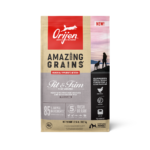
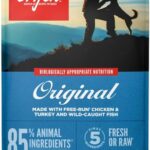
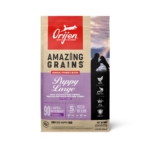
Foods that list Chicken Giblets
4 foods in our catalog list it, highest on the label first.

On labels as
Other names for this
Manufacturers do not all use the same wording. These all mean the same thing.
Sources
What we read
Checked October 25, 2026.
- 1 The effects of hydrolyzed protein on macronutrient digestibility, fecal metabolites and microbiota, oxidative stress and inflammatory biomarkers, and skin and coat quality in adult dogs
- 2 Effects of different chicken protein sources on palatability in dry adult dog food
- 3 Critically appraised topic on adverse food reactions of companion animals (2): common food allergen sources in dogs and cats
- 4 USDA National Nutrient Database for Standard Reference, Release 28 (2015), Food Group 05: Poultry Products
- 5 Get the Facts! Raw Pet Food Diets can be Dangerous to You and Your Pet
- 6 What's in the Ingredients List?
- 7 Reading Labels
- 8 Byproducts
- 9 eTool: Poultry Processing Industry - Tasks - Evisceration
- 10 Heart Disease - Nutrition
- 11 Adult Dog Recipe
- 12 Healthy Grains Free-Run Poultry Recipe