
Ingredient file // Other
Dandelion
A botanical extra with unproven dog benefits
Dandelion in dog food is plant material that a supplier may cut, powder or extract. It contributes some plant fiber, but the label does not reveal a useful dose. Claims about liver, kidney and gut health go beyond the evidence in dogs.
- What it is
- Dandelion plant material prepared for food, sometimes as a powder or extract rather than dried cut herb.
- Made from
- Dandelion plants or roots
- Main job
- Botanical addition
- Typical amount
- Not published
- Watch for
- Concentrated extracts in dogs with organ disease
- Not the same as
- Chicory root
Straight answer
Is Dandelion safe for dogs?
Read it as an extra, not treatment
If dandelion follows the main protein, starch and fat, treat it as a botanical addition. Its label name gives no useful dose and may not identify the plant part or form. Do not choose a food for its liver, kidney or antioxidant promises; judge the complete recipe.
- Why it is in the food
- Botanical addition
- How common
- Listed by 23 of the 3,205 foods we track
Our read // In our catalog
In 1 of every 139 foods we track
Share of foods that list it
<1%
23 of the 3,205 foods with an ingredient list on file, from 5 brands. All dry dog food.
Each square is 1% of the catalog
Where it sits on the label
Median position 27. In the top five of 0 foods, so it is usually a minor ingredient.
Above the salt
Usually listed after the salt, which caps it at roughly 1% of the recipe in 96% of foods.
Price per lb
Median of the cheapest bag price across 23 priced foods, about level with the catalog. The price is the food's, not the ingredient's.
Who leans on it
48%
of the foods that list it are from Nulo. 5 brands use it in total.
What it is
How it is made
Botanical suppliers cultivate or gather dandelion and sell it in several forms. Drying makes plant material easier to store; extraction concentrates selected compounds. A dog food label saying only dandelion does not identify the form used.1,9
- 01 // Source Dandelion plants One pet ingredient supplier uses whole plants from cultivation or wild collection.
- 02 // Process Cut or powdered The supplier offers cut material and powder for blending into animal food.
- 03 // Process Sometimes extracted A dog study used root extracted with water and spray dried with a maltodextrin carrier.
- 04 // Output Botanical ingredient Cut plant, powder or extract reaches the food maker; the plain label name does not distinguish them.
What is in it
Composition, dry matter
23.7
% NDF
Cell wall fiber in a published dandelion forage profile. It describes the plant, not the fiber added to a finished dog food.
Why it is in the bag
What the manufacturer gets
-
01
Adds a recognizable botanical
A pet ingredient supplier markets dandelion for kidney support. That explains the appeal to a food maker, but the supplier's claim is not evidence that it works in dogs.9
-
02
Contributes plant fiber
Dandelion forage contains cell wall fiber, while root extract can contain inulin. A controlled dog study tested purified inulin, not dandelion in kibble.1,2,3
-
03
Fits specialty supply
Suppliers offer cultivated or wild-collected whole dandelion plants as cut material, powder or extract. Labels list ingredients by weight only, so a maker can add any form without disclosing the amount.9,10
How much The only dog dose in the cited research comes from a three-extract blend: dandelion root extract at 15 mg/kg body weight daily alongside ashwagandha and passionflower extracts.1
Our read // The claims
What the evidence supports
Strong: controlled studies in dogs agree. Some: small or mixed dog data. Thin: mechanism or lab work only. None: nothing, or the evidence points the other way.
-
Brands say
Dandelion root feeds good gut bacteria
Outruns the evidence
Evidence
- Strong
- Some
- Thin
- None
Purified inulin increased fecal fermentation products in a controlled study of 9 overweight dogs. A separate study gave 7 dogs dandelion with 2 other extracts and had no placebo group. Neither tests dandelion alone in kibble.1,2
-
Brands say
Dandelion supports the liver and kidneys
Outruns the evidence
Evidence
- Strong
- Some
- Thin
- None
Root extract reduced injury markers in rats with induced liver disease, with 5 rats per group. The dog study tested a blend, not dandelion as treatment for organ disease. A food label cannot turn those results into a canine benefit.1,4
-
Owners say
Dandelion makes dogs urinate more
Outruns the evidence
Evidence
- Strong
- Some
- Thin
- None
An uncontrolled pilot in 17 people reported more frequent urination after leaf extract. A crossover study in 14 adults found no additional urine output from root powder. Neither tested dogs or dandelion in food.5,6
-
Brands say
Dandelion antioxidants protect aging dogs
Outruns the evidence
Evidence
- Strong
- Some
- Thin
- None
Blood antioxidant markers changed during a 40-day study of 7 older dogs given a three extract blend. With no placebo group or dandelion-only group, the study cannot show protection from dandelion itself.1
Straight answers
What owners ask
-
Q01
Is it just filler?
Mostly an extraDandelion contains fiber and other plant material, so it has measurable content. Its amount in a food is undisclosed, and no dog study shows a benefit from dandelion alone in kibble. Judge the main ingredients first.1,3,10
-
Q02
Are root and leaf interchangeable?
NoPublished medicinal guidance treats root and leaf as separate materials. The dog study used a processed root extract, while the supplier identifies its own pet ingredient as whole plant. A label saying only dandelion does not resolve that difference.1,7,8,9
-
Q03
Is dandelion poisonous to dogs?
NoA veterinary toxicologist says the plant is not poisonous to dogs, though eating a lot may cause mild stomach upset. That reassurance about the plant does not supply a safe or useful dose for concentrated extracts.11
-
Q04
Should a sick dog get more?
NoDo not add a concentrated extract to treat kidney, liver or bile disease based on a food label. Human medicinal guidance cautions against use with those conditions, and the small dog study did not test dandelion as treatment.1,7,8
Who uses it
Brands, best sellers and the company it keeps
Top brands, by foods that list it
Foods that list it / all the brand's recipes we track.
Usually listed with, share of the foods that list it
- Peas 74%
- Mixed Tocopherols 74%
- Turkey Meal 65%
- Chicken Fat 65%
- Sweet Potatoes 61%
- Chicken Meal 61%
- Turkey 57%
- Lentils 52%
- Flaxseed 43%
- Citric Acid 43%
- Chicken 39%
- Potatoes 35%
On the shelf
Foods that list Dandelion
23 foods in our catalog list it, highest on the label first.
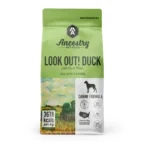 Health ExtensionHealth Extension Ancestry Look Out! Duck Grain-Free Dry Dog Food
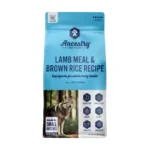 Health ExtensionHealth Extension Ancestry Lamb Meal With Rice Dry Dog Food
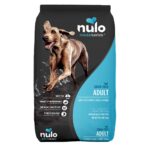 NuloNulo MedalSeries Salmon & Sweet Potato Recipe Grain-Free Dry Dog Food
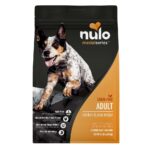 NuloNulo MedalSeries Chicken & Peas Recipe Grain-Free Dry Dog Food
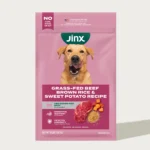 JinxJinx Grass-Fed Beef, Brown Rice, and Sweet Potato Dry Dog Food
 Now FreshNow Fresh Grain-Free Large Breed Puppy Food Recipe Dry Dog Food
 Go! SolutionsGo! Solutions Carnivore Grain-Free Chicken, Turkey + Duck Adult Recipe Dry Dog Food
 Go! SolutionsGo! Solutions Carnivore Grain-Free Chicken, Turkey + Duck Puppy Recipe Dry Dog Food
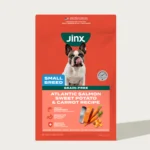 JinxJinx Small Breed Grain-Free Atlantic Salmon Dry Dog Food
 Now FreshNow Fresh Grain-Free Large Breed Senior Recipe Dry Dog Food
Show 13 more
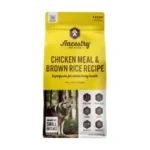 Health ExtensionHealth Extension Ancestry Chicken Meal and Rice Dry Dog Food
 NuloNulo MedalSeries Lamb & Lentils Recipe Grain-Free Dry Dog Food
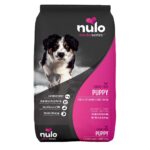 NuloNulo MedalSeries Puppy Chicken & Sweet Potato Recipe Grain-Free Dry Dog Food
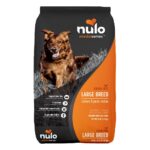 NuloNulo MedalSeries Large Breed Turkey & Peas Recipe Grain-Free Dry Dog Food
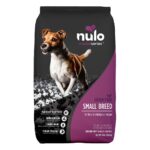 NuloNulo MedalSeries Small Breed Turkey & Chickpeas Recipe Grain-Free Dry Dog Food
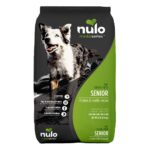 NuloNulo MedalSeries Senior Chicken & Lentils Recipe Grain-Free Dry Dog Food
 NuloNulo MedalSeries Weight Management Chicken & Sweet Potato Recipe Grain-Free Dry Dog Food
 NuloNulo MedalSeries Small Breed Chicken & Sweet Potato Recipe Grain-Free Dry Dog Food
 NuloNulo MedalSeries Puppy Salmon & Lentils Recipe Grain-Free Dry Dog Food
 NuloNulo MedalSeries Large Breed Puppy Salmon & Sweet Potato Recipe Grain-Free Dry Dog Food
 Now FreshNow Fresh Large Breed Turkey, Salmon & Duck Grain-Free Dry Dog Food
 Now FreshNow Fresh Grain-Free Large Breed Adult Recipe Dry Dog Food
 Go! SolutionsGo! Solutions Carnivore Grain-Free Chicken, Turkey + Duck Senior Recipe Dry Dog Food
Sources
What we read
Checked October 1, 2026.
- 1 Efficacy of nutraceutical supplements containing Passiflora incarnata L., Withania somnifera (L.) Dunal and Taraxacum officinale (L.) weber ex F.H.Wigg. on markers of inflammation, oxidative stress and gut microbiota in senior dogs
- 2 Effects of prebiotic inulin-type fructans on blood metabolite and hormone concentrations and faecal microbiota and metabolites in overweight dogs
- 3 A pivotal nutritional potential of understory vascular plants in Patagonian forests
- 4 Protective Effects of Taraxacum officinale L. (Dandelion) Root Extract in Experimental Acute on Chronic Liver Failure
- 5 Co-Ingestion of a Commercially Available Dandelion Root Powder Elicited No Additional Diuretic Effect Over 4 Hr Compared to Ingestion of Water Alone in Physically Active Young Adults
- 6 The Diuretic Effect in Human Subjects of an Extract of Taraxacum officinale Folium over a Single Day
- 7 European Union herbal monograph on Taraxacum officinale F.H. Wigg., radix
- 8 Community herbal monograph on Taraxacum officinale Weber ex Wigg., folium
- 9 Dandelion Botanical Facts
- 10 What's in the Ingredients List?
- 11 Are Dandelions Poisonous to Dogs?