
Ingredient file // Other
Dehydrated Bifidobacterium Thermophilum Fermentation Product
A dried culture with an unproven dog benefit
This ingredient is made by growing and drying Bifidobacterium thermophilum. It is added for digestive support, but its name gives no live bacterial count. The dog studies found do not show that this ingredient, at the amount in a finished food, improves health.
- What it is
- Dried material produced by culturing Bifidobacterium thermophilum for use as a feed ingredient.
- Made from
- B. thermophilum grown in nutrient media
- Main job
- Microbial addition for digestive claims
- Typical amount
- Not published for the isolated ingredient
- Watch for
- No live count on the finished food
- Not the same as
- Prebiotic fiber
Straight answer
Is Dehydrated Bifidobacterium Thermophilum Fermentation Product safe for dogs?
Look for a live count before buying the claim
Its place in an ingredient list shows relative input weight, not a live dose. If it appears beside other dried cultures, a premix is plausible, but the label still cannot show how many bacteria survive. Check for a CFU guarantee on the finished bag and evidence that the maker tested that food in dogs.
- Why it is in the food
- Microbial addition for digestive claims
- Watch for
- Severely immunocompromised dogs
- How common
- Listed by 19 of the 3,205 foods we track
Our read // In our catalog
In 1 of every 169 foods we track
Share of foods that list it
<1%
19 of the 3,205 foods with an ingredient list on file, from 2 brands. All dry dog food.
Each square is 1% of the catalog
Where it sits on the label
Median position 27. In the top five of 0 foods, so it is usually a minor ingredient.
Above the salt
Usually listed after the salt, which caps it at roughly 1% of the recipe in 100% of foods.
Price per lb
Median of the cheapest bag price across 6 priced foods, about level with the catalog. The price is the food's, not the ingredient's.
Who leans on it
79%
of the foods that list it are from AvoDerm. 2 brands use it in total.
What it is
How it is made
Feed suppliers grow the bacterium to make a microbial additive. They dry the cultured material for storage and shipping. Suppliers also sell it alongside other cultures and carriers in premixes.5,7
- 01 // Source Selected bacterial culture The starting culture supplies the B. thermophilum named on the ingredient list.
- 02 // Process Grown in medium The bacterium grows in nutrient media and produces fermentation substances.
- 03 // Process Dried The cultured material is dried for storage and handling.
- 04 // Output Dried culture material It reaches feed makers dried, either separately or alongside other cultures in a premix.
What is in it
Composition, as fed
30
% fiber max
This is a supplier's upper limit for a mixed premix. It is not a measured fiber level for isolated B. thermophilum material.
These are as-fed label limits for one commercial blend, not an analysis of this isolated ingredient. Fiber and moisture are maximums; protein and fat are minimums. The blend includes other cultures, rice byproduct and calcium carbonate. A dry matter composition was not published.7
Why it is in the bag
What the manufacturer gets
-
01
Supports a digestive claim
Brands associate this culture with digestive health. The ingredient gives a maker a named microbial addition, but the available dog evidence does not show a benefit from this isolated material.1,3,9
-
02
Fits a bulk premix
A supplier sells it with other dried cultures and carriers, including in bulk quantities. Feed makers can handle that blend as one purchased ingredient rather than source each culture separately.7
-
03
Offers a live culture option
Some dried microbial products contain viable bacteria. A finished food still needs a live count guarantee to tell an owner what dose it supplies.6,7
How much No inclusion rate for this isolated ingredient was published; a finished food's viable CFU guarantee is more informative than its ingredient line.6,7
Our read // The claims
What the evidence supports
Strong: controlled studies in dogs agree. Some: small or mixed dog data. Thin: mechanism or lab work only. None: nothing, or the evidence points the other way.
-
Brands say
Improves the balance of gut bacteria
Outruns the evidence
Evidence
- Strong
- Some
- Thin
- None
A 20-dog trial of a different, mixed probiotic found shifts in selected bacteria but no significant change in broad microbial community measures. It did not test B. thermophilum or show that this ingredient improves gut health in kibble.2,9
-
Brands say
Prevents diarrhea in dogs and puppies
Outruns the evidence
Evidence
- Strong
- Some
- Thin
- None
An older paper studied 73 puppies given a viable bifidobacterial preparation. Its documented dog treatment used B. pseudolongum, while B. thermophilum was specified for calves. Neither result demonstrates diarrhea prevention from this isolated ingredient in dog food.1,3,9
-
Brands say
Boosts your dog's immune defenses
Outruns the evidence
Evidence
- Strong
- Some
- Thin
- None
A 20-dog trial found higher antibody measures after a large daily dose of a different, mixed probiotic. It did not measure protection from illness or test B. thermophilum, so the result does not support this ingredient's immune claim.2,9
-
Brands say
Delivers live probiotics in every bowl
Outruns the evidence
Evidence
- Strong
- Some
- Thin
- None
The ingredient name supplies no viable dose for a finished food. AAFCO's label checklist calls for a CFU guarantee when live microbes are claimed. In a survey of 25 animal probiotics, only 4 of 15 with count claims met them.4,6
Straight answers
What owners ask
-
Q01
Is this a live probiotic?
Check the guaranteeDrying does not tell you whether bacteria survive in the finished food. Look for a guaranteed live count in CFU on the bag. The ingredient name alone cannot give you that answer.6,7
-
Q02
Is it just filler?
NoIt is included as a microbial ingredient, not to supply bulk protein, starch or fiber. Its intended job is clear, though an intended job does not show that the amount your dog eats has a health effect.5,7
-
Q03
Will it fix my dog's diarrhea?
No proofThe older paper's documented dog treatment used another bifidobacterial species. A review of 17 dog probiotic studies found limited and possibly clinically unimportant effects on gastrointestinal disease. This ingredient has no demonstrated treatment dose in kibble.1,3
-
Q04
Is it a prebiotic?
NoA prebiotic feeds gut microbes, often through fermentable fiber. This ingredient is made by culturing a bacterium. A food could contain both, but the two names describe different things.5,8
Who uses it
Brands, best sellers and the company it keeps
Top brands, by foods that list it
Foods that list it / all the brand's recipes we track.
Usually listed with, share of the foods that list it
- Mixed Tocopherols 100%
- Avocado 79%
- Dried Tomato Pomace 79%
- Peas 74%
- Pea Flour 74%
- Chicken Fat 74%
- Natural Flavor 68%
- Garbanzo Beans 58%
- Flax Seed 58%
- Chicken Meal 32%
- Canola Oil 26%
- Brown Rice 26%
On the shelf
Foods that list Dehydrated Bifidobacterium Thermophilum Fermentation Product
19 foods in our catalog list it, highest on the label first.
 PinnaclePinnacle Grain-Free Duck & Sweet Potato Recipe Dry Dog Food
 PinnaclePinnacle Grain-Free Trout & Sweet Potato Recipe Dry Dog Food
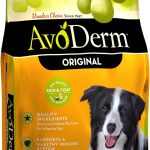 AvoDermAvoDerm Original Adult Chicken Meal & Brown Rice Recipe Dry Dog Food
 AvoDermAvoDerm Grain-Free Beef & Vegetables Recipe Dry Dog Food
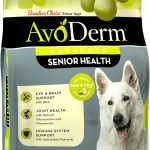 AvoDermAvoDerm Advanced Senior Health+ Grain-Free Lamb & Chicken Meal Formula Dry Dog Food
 AvoDermAvoDerm Advanced Joint Health Grain-Free Chicken Meal Formula Dry Dog Food
Show 13 more
 PinnaclePinnacle Grain-Free Turkey & Pumpkin Recipe Dry Dog Food
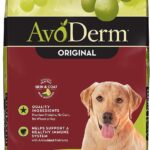 AvoDermAvoDerm Original Lamb Meal & Brown Rice Recipe Dry Dog Food
 AvoDermAvoDerm Advanced Sensitive Support Grain-Free Small Breed Beef Formula Dry Dog Food
 AvoDermAvoDerm Natural Grain-Free Limited Ingredient Diet Revolving Menu Turkey Recipe Dry Dog Food
 AvoDermAvoDerm Natural Small Breed, Grain-Free Limited Ingredient Revolving Menu Lamb Recipe Dry Dog Food
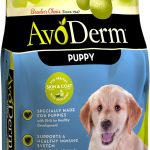 AvoDermAvoDerm Puppy Chicken Meal & Brown Rice Formula Dry Dog Food
 AvoDermAvoDerm Advanced Sensitive Support Grain-Free Small Breed Turkey Formula Dry Dog Food
 AvoDermAvoDerm Advanced Sensitive Support Grain-Free Duck Formula Dry Dog Food
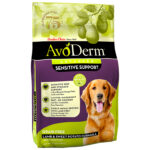 AvoDermAvoDerm Limited Ingredient Diet Grain-Free Lamb & Sweet Potato Formula Dry Dog Food
 AvoDermAvoDerm Large Breed Chicken Meal & Brown Rice Recipe Dry Dog Food
 AvoDermAvoDerm Advanced Healthy Weight Grain-Free Turkey Meal Formula Dry Dog Food
 AvoDermAvoDerm Advanced Sensitive Support Wholesome Grains Salmon & Oatmeal Formula Dry Dog Food
 PinnaclePinnacle Grain-Free Chicken & Vegetable Recipe Dry Dog Food
Sources
What we read
Checked October 1, 2026.
- 1 An Application of Dried Bifidobacteria Preparation to Scouring Animals
- 2 Effects of the Probiotic Mixture Slab51® (SivoMixx®) as Food Supplement in Healthy Dogs: Evaluation of Fecal Microbiota, Clinical Parameters and Immune Function
- 3 Clinical effect of probiotics in prevention or treatment of gastrointestinal disease in dogs: A systematic review
- 4 Assessment of commercial probiotic bacterial contents and label accuracy
- 5 2023 Annual Committee Report Book
- 6 Pet Food Report 2014 Annual Appendix B: Label Review Checklist
- 7 Specifications
- 8 The power of probiotics
- 9 Dehydrated Bifidobacterium Thermophilum Fermentation Product in Dog Food