
Ingredient file // Flavor
Glycine
A sweet flavor helper, not a protein source
Glycine is the simplest amino acid, made in chemical plants and added to dog food in small amounts as a flavoring. It tastes sweet and nudges the protein figure up, but dogs make their own and need none extra.
Role in the food Does a job- What it is
- A single purified amino acid, the smallest one found in protein, sold as a sweet-tasting white powder.
- Made from
- Chloroacetic acid and ammonia, or broken-down gelatin
- Main job
- Flavoring with a sweet taste
- Typical amount
- Not published; EU recommends at most 2%
- Watch for
- Separate glycine supplements at untested doses
- Not the same as
- Glycerin
Straight answer
Is Glycine safe for dogs?
Read it as flavor, then judge the meat
Read glycine as a flavoring. At the EU's recommended maximum of 2%, it cannot be a main ingredient, and it tells you nothing about meat quality. Judge the food by the named proteins above it, and knock a point or two off the protein figure when several free amino acids appear.
- Why it is in the food
- Flavoring with a sweet taste
- Watch for
- Glycine supplements at home
- How common
- Listed by 19 of the 3,205 foods we track
Our read // In our catalog
In 1 of every 169 foods we track
Share of foods that list it
<1%
19 of the 3,205 foods with an ingredient list on file, from 5 brands. 18 wet dog food, 1 dog food topper.
Each square is 1% of the catalog
Where it sits on the label
Median position 13. In the top five of 4 foods, so it is usually a minor ingredient.
Above the salt
Listed before the salt in 83% of foods. In the rest it is under about 1% of the recipe.
Who leans on it
42%
of the foods that list it are from Royal Canin. 5 brands use it in total.
What it is
How it is made
Glycine is not a leftover from another industry. Chemical plants make it on purpose, either by synthesis or by breaking down protein such as gelatin, then purify it into a powder.2,3,4,6
- 01 // Source Chloroacetic acid, ammonia The standard synthetic route starts from these two chemicals. Older methods broke down gelatin, cattle ligaments or silk instead.
- 02 // Process Reacted Ammonia reacts with chloroacetic acid to give glycine, a small molecule with the formula C2H5NO2.
- 03 // Process Purified The product is cleaned up to feed grade. The EU authorization specifies at least 98% glycine, made by synthesis or protein hydrolysis.
- 04 // Output Glycine powder A sweet-tasting powder, weighed into the recipe in small amounts as a flavoring and amino acid.
What is in it
Composition, as fed
117
% protein
What a standard protein test would report for pure glycine, because the test counts nitrogen. That is how free amino acids lift a label's protein figure.
Why it is in the bag
There for a sweet flavor, in small amounts
- Main nutrition
- Supporting nutrient
- Does a job
- Mostly filler
Glycine is a flavoring, not bulk. It tastes sweet, and the EU clears it as a flavoring with a recommended maximum of 20 g per kg of dog food, about 2%. At or below that level it is likely too little to change the food's nutrition, apart from a small lift to the crude protein figure, because the protein test counts its nitrogen.2,4,11
-
01
Sweet taste and browning
Glycine tastes sweet. When wet food is heated, amino acids react with sugars to form brown Maillard flavors, which a palatability review links to higher acceptance.4,9
-
02
Cleared as a flavoring
The EU authorizes it as a flavoring for all species, with a recommended maximum of 20 g per kg in dog and cat food. FDA lists it as safe in feed.1,2
-
03
Slows fat rancidity
Chemical references list glycine as retarding rancidity in animal and vegetable fats. No study has measured that effect inside a dog food.5
-
04
A glutathione building block
Glycine is one of the parts the body uses to make glutathione, an antioxidant. Mars researchers added it to a cat diet on that basis.7
How much The EU recommends at most 20 g per kg, about 2%, of a 12% moisture dog food; a 34-cat trial fed 1.5%.2,7
Our read // The claims
What the evidence supports
Strong: controlled studies in dogs agree. Some: small or mixed dog data. Thin: mechanism or lab work only. None: nothing, or the evidence points the other way.
-
Critics say
Free amino acids pad the protein number
Evidence
- Strong
- Some
- Thin
- None
Crude protein is nitrogen times 6.25. Glycine is about 18.7% nitrogen, so the test reads it as about 117% protein. At 2% of a food that adds about 2 points, none of it from essential amino acids.6,10,11
-
Brands say
Glycine makes food taste better to dogs
Evidence
- Strong
- Some
- Thin
- None
Glycine tastes sweet to people, and a nerve-recording study in dogs used it as a taste stimulus. No published feeding trial has tested whether dogs prefer food with added glycine.4,8
-
Brands say
Glycine restores antioxidant defenses in older pets
Outruns the evidence
Evidence
- Strong
- Some
- Thin
- None
A Mars-funded trial fed 34 senior cats 1.5% glycine. Red cell glutathione rose at 4 weeks but not at 8 or 12. No study has tested this in dogs.7
-
Brands say
Glycine helps prevent diabetes, liver and heart disease
Outruns the evidence
Evidence
- Strong
- Some
- Thin
- None
Pet ingredient sites list diabetes, fatty liver and heart failure among glycine's benefits. No dog study supports any of them, and glycine is not among the 10 amino acids dogs must eat.10,12
Straight answers
What owners ask
-
Q01
Is it just filler?
NoFiller means bulk, and the EU recommends no more than 2% glycine in a dog food. It is there for flavor and as an amino acid. The fair complaint is smaller: it lifts the crude protein figure a little.2,11
-
Q02
Is synthetic glycine safe for dogs?
Yes, at food levelsFDA lists glycine as generally recognized as safe in animal feed under good practice. The EU authorizes it for all species, with a recommended maximum of 20 g per kg in dog food. The molecule matches glycine in meat.1,2
-
Q03
Does my dog need extra glycine?
NoGlycine is not one of the 10 amino acids dogs must get from food, and every meat protein carries it. Glycine added to a recipe is a formulation choice, not a fix for a shortage.10
Who uses it
Brands, best sellers and the company it keeps
Top brands, by foods that list it
Foods that list it / all the brand's recipes we track.
Usually listed with, share of the foods that list it
- Chicken 79%
- Powdered Cellulose 47%
- Water Sufficient for Processing 42%
- Pork By-Products 42%
- Sunflower Oil 37%
- Tricalcium Phosphate 37%
- Brewers Rice 37%
- Carrots 32%
- Salt 26%
- Pumpkin 21%
- Beef 21%
- Green Peas 21%
On the shelf
Foods that list Glycine
19 foods in our catalog list it, highest on the label first.
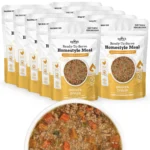 Dave's Pet FoodDave’s Pet Food Dave’s Grain-Free Goat Milk, Chicken Dinner Pouch Recipe for Dogs / 10 Wet Dog Food
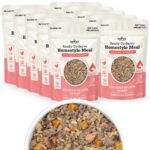 Dave's Pet FoodDave’s Pet Food Pouches Dave’s Chicken & Salmon with Brown Rice, Goat Milk Pouch Recipe for Do Wet Dog Food
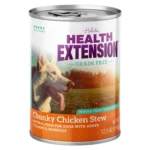 Health ExtensionHealth Extension food Grain Free Chunky Chicken Stew Wet Dog Food
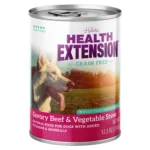 Health ExtensionHealth Extension food Grain Free Savory Beef Stew Wet Dog Food
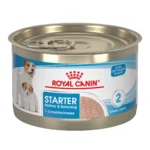 Royal CaninRoyal Canin Starter Mother & Babydog Ultra Soft Mousse In Sauce Wet Dog Food
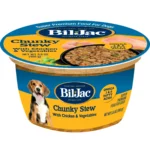 Bil-JacBil-Jac Chunky Stew with Chicken & Vegetables Grain-Free Wet Dog Food
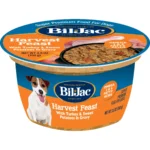 Bil-JacBil-Jac Harvest Feast with Turkey & Sweet Potatoes in Gravy Grain-Free Wet Dog Food
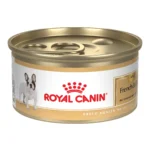 Royal CaninRoyal Canin Breed Health Nutrition French Bulldog Loaf In Sauce Wet Dog Food
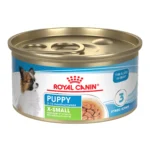 Royal CaninRoyal Canin Size Health Nutrition X-Small Puppy Thin Slices In Gravy Wet Dog Food
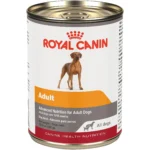 Royal CaninRoyal Canin Canine Care Nutrition Adult In Gel Wet Dog Food
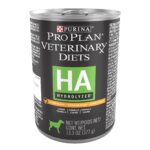 PurinaPurina Pro Plan Veterinary Diets HA Hydrolyzed Protein Chicken Formula Wet Dog Food
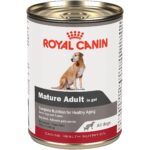 Royal CaninRoyal Canin Canine Care Nutrition Mature Adult in Gel Wet Dog Food
Show 7 more
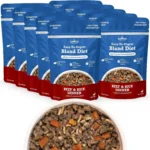 Dave's Pet FoodDave’s Pet Food Dave’s Bland Beef & Rice Pouch Recipe for Dogs / 10 Pack - Pouche Wet Dog Food
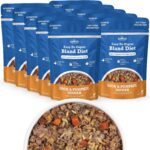 Dave's Pet FoodDave’s Pet Food Bland Diet Pouches Dave’s Bland Duck & Pumpkin Pouch Recipe for Dogs / 10 Pack - Pou Wet Dog Food
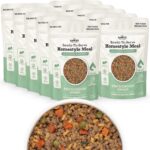 Dave's Pet FoodDave’s Pet Food Pouches Dave’s Beef & Chicken with Brown Rice, Goat Milk Pouch Recipe Wet Dog Food
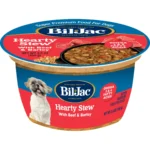 Bil-JacBil-Jac Hearty Stew with Beef & Barley Small Chunk Wet Dog Food
 Royal CaninRoyal Canin Large Puppy Thin Slices in Gravy Wet Dog Food
 Royal CaninRoyal Canin Size Health Nutrition Medium Puppy Thin Slices in Gravy Wet Dog Food
 Royal CaninRoyal Canin Veterinary Canine Hepatic Loaf Dog Food Topper
Sources
What we read
Checked October 1, 2026.
- 1 21 CFR § 582.5049 - Aminoacetic acid
- 2 Commission Implementing Regulation (EU) 2018/249 of 15 February 2018 (amino acids and related compounds as feed additives for all animal species)
- 3 Glycine (CID 750): Methods of Manufacturing
- 4 Glycine (CID 750): Taste
- 5 Glycine (CID 750): Uses
- 6 Glycine (CID 750): computed properties
- 7 Glycine supplementation can partially restore oxidative stress-associated glutathione deficiency in ageing cats
- 8 Large synergism between monosodium glutamate and 5'-nucleotides in canine taste nerve responses
- 9 Drivers of Palatability for Cats and Dogs: What It Means for Pet Food Development
- 10 Nutritional Requirements of Small Animals
- 11 Determination of crude protein in animal feed: combustion method
- 12 Glycine