
Ingredient file // Animal protein
Mussel
Real seafood, with an unproven joint promise
Mussel adds seafood protein and flavor to dog food. Joint studies used identified green-lipped mussel preparations, so a bag that says only mussel gives no reason to expect the same effect.
Role in the food Supporting nutrient- What it is
- The edible soft tissue of a mussel, supplied as meat or processed into a dried ingredient.
- Made from
- Farmed or wild harvested mussels
- Main job
- Seafood protein and flavor
- Typical amount
- Not published
- Watch for
- Unspecified species behind joint claims
- Not the same as
- Mussel shell meal
Straight answer
Is Mussel safe for dogs?
Read it as seafood, check the joint claim
Check where mussel sits on the ingredient list, remembering that fresh mussel carries substantial water. Then look for a named species and form. If you are buying for joint relief, ask the maker for the green-lipped preparation and amount used. The word mussel alone does not make that case.
- Why it is in the food
- Seafood protein and flavor
- How common
- Listed by 2 of the 3,205 foods we track
Our read // In our catalog
In 1 of every 1,603 foods we track
Share of foods that list it
<1%
2 of the 3,205 foods with an ingredient list on file, from 2 brands. 1 frozen dog food, 1 dog food topper.
Each square is 1% of the catalog
Where it sits on the label
Median position 9.5. In the top five of 1 food, so it is usually a main ingredient.
Who leans on it
50%
of the foods that list it are from Darwin's Natural Pet Products. 2 brands use it in total.
What it is
How it is made
Seafood plants remove mussel meat from shells for sale. Pet ingredient suppliers also use small or irregular mussels. The separated material is frozen or dried for storage and shipment.4,8
- 01 // Source Harvested mussels Growers and harvesters supply whole mussels; some pet ingredient suppliers accept small or irregular ones.
- 02 // Process Washed and opened Seafood processors wash mussels and commonly use steam or boiling water to open the shells.
- 03 // Process Meat separated Processors remove the soft tissue from the shells and pull away the attached beard.
- 04 // Output Mussel ingredient Cooked meat reaches food plants frozen; separated mussel material also reaches pet food plants as dried flakes or powder.
What is in it
Composition, dry matter
41.3
% protein
Protein measured in steamed, freeze-dried blue mussel tissue. Fresh mussel also brings substantial water into a recipe.
Why it is in the bag
Adds real seafood protein, not a joint treatment
- Main nutrition
- Supporting nutrient
- Does a job
- Mostly filler
Makers add mussel for seafood protein, marine fat and flavor. Steamed blue mussel is about 79% water, yet its dry matter is 43.8% protein, and 100 g supplies about 271 mg EPA and 220 mg DHA. Listed near the top of a short topper recipe, it likely adds real protein and some omega-3. Far down a long list, it would mostly add flavor, since lists run by weight.3,4,7
-
01
Adds animal protein
Mussel tissue contributes protein and marine fat. Fresh mussel is mostly water, so its weight on an ingredient list overstates its share of the food's dry nutrition.3,7
-
02
Brings seafood flavor
Mussel meat gives a recipe seafood flavor. Processing guidance warns that soaking the meat washes flavor out; that says nothing about whether dogs prefer it.4
-
03
Uses uneven harvests
A pet ingredient supplier accepts small or irregular mussels that conventional food markets may reject. Removing shells adds work and limits the meat recovered from each harvest.4,8
How much A controlled trial continued 2 or 3 daily 500 mg capsules of identified green-lipped mussel after a loading phase; no usual amount for generic mussel is published.1
Our read // The claims
What the evidence supports
Strong: controlled studies in dogs agree. Some: small or mixed dog data. Thin: mechanism or lab work only. None: nothing, or the evidence points the other way.
-
Brands say
Mussel supplies useful animal protein
Evidence
- Strong
- Some
- Thin
- None
Blue mussel tissue contained 33.8 to 43.8% protein on a dry basis. That is real animal protein, but this composition study did not measure digestibility in dogs, and fresh mussel brings mostly water.3
-
Brands say
Mussel eases dogs' joint pain
Outruns the evidence
Evidence
- Strong
- Some
- Thin
- None
A 45-dog trial favored a freeze-dried green-lipped product on pain measures, while a separate 70-dog trial found no clear benefit from mussel extract. Those results do not transfer to an ingredient labeled only mussel.1,2
-
Brands say
Mussel gives dogs an omega-3 boost
Outruns the evidence
Evidence
- Strong
- Some
- Thin
- None
A freeze-dried blue mussel sample held 1.91% long-chain omega-3 fats on a dry basis. That does not show how much an unspecified mussel ingredient adds to finished dog food or whether the amount changes health.3
-
Brands say
Mussel rebuilds worn joint cartilage
Outruns the evidence
Evidence
- Strong
- Some
- Thin
- None
The 45-dog green-lipped mussel trial measured pain and mobility, not cartilage repair. A veterinary review describes osteoarthritis as having no cure. Neither a symptom score nor an ingredient line shows rebuilt cartilage.1,2
-
Critics say
Mussel is just filler
Outruns the evidence
Evidence
- Strong
- Some
- Thin
- None
Blue mussel samples contained 33.8 to 43.8% protein on a dry basis, plus fat. An ingredient with those nutrients has a recipe job, even if a small amount contributes little to the finished food.3
Straight answers
What owners ask
-
Q01
Is it just filler?
NoMussel meat supplies protein and marine fat, and it gives food seafood flavor. The amount matters: a small addition may change taste more than nutrition, but it still has a job.3,4
-
Q02
Does mussel mean green-lipped mussel?
Not necessarilyThe name alone does not identify a species. Joint trials used identified green-lipped preparations, while the composition figures here come from blue mussels. Ask the maker which species and form it uses.1,2,3
-
Q03
Will it treat my dog's arthritis?
No promiseControlled trials of green-lipped preparations have mixed results, and ordinary mussel has no tested joint dose on the label. If joint relief is the selling point, ask for the species, form and amount.1,2
Who uses it
Brands, best sellers and the company it keeps
Top brands, by foods that list it
Foods that list it / all the brand's recipes we track.
Usually listed with, share of the foods that list it
- Whitefish 50%
- Turkey Necks 50%
- Turkey Heart 50%
- Broccoli 50%
- Sweet Potatoes 50%
- Turkey Liver 50%
- Zucchini 50%
- Celery 50%
- Mackerel 50%
- Mackerel Broth 50%
- Chicken 50%
- Chicken Broth 50%
On the shelf
Foods that list Mussel
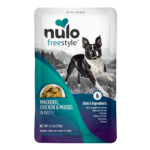
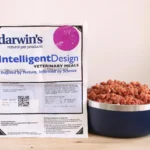
2 foods in our catalog list it, highest on the label first.
Sources
What we read
Checked October 1, 2026.
- 1 Evaluating Complementary Therapies for Canine Osteoarthritis Part I: Green-lipped Mussel (Perna canaliculus)
- 2 Current evidence for non-pharmaceutical, non-surgical treatments of canine osteoarthritis
- 3 Farmed blue mussels (Mytilus edulis): a nutrient-dense resource retaining nutritional value through processing
- 4 Processing Mussels, Cockles and Whelks
- 5 Seafood
- 6 CPG Sec 540.250 Clams, Mussels, Oysters, Fresh, Frozen or Canned - Paralytic Shellfish Poison
- 7 What's in the Ingredients List?
- 8 Mussel Protein for Pet Food & Feed
- 9 Food Allergies in Dogs