
Ingredient file // Other
Papain
A processing enzyme, not a digestion promise
Papain is a protein-cutting enzyme collected from the milky latex of unripe papayas. It helps make meat flavoring for pet food. When researchers added it before cooking kibble, dogs did not digest the food better.
- What it is
- A papaya-derived enzyme preparation that cuts proteins into smaller pieces while the enzyme remains active.
- Made from
- Latex from unripe papayas
- Main job
- Break down proteins during processing
- Typical amount
- One dog trial used 0.15 to 0.40 g/kg dry
- Watch for
- Papaya sensitivity and unsupported digestion claims
- Not the same as
- Papaya fruit powder
Straight answer
Is Papain safe for dogs?
Read the main ingredients before the enzyme
Papain near the end of the ingredient list signals a small addition. Check the main proteins and the food's nutritional information first. If the bag promises easier digestion because of papain, look for measured enzyme activity in the finished food and a feeding result in dogs. The published kibble trial found no digestibility benefit.
- Why it is in the food
- Break down proteins during processing
- How common
- Listed by 9 of the 3,205 foods we track
Our read // In our catalog
In 1 of every 356 foods we track
Share of foods that list it
<1%
9 of the 3,205 foods with an ingredient list on file, from 2 brands. All dry dog food.
Each square is 1% of the catalog
Where it sits on the label
Median position 24. In the top five of 0 foods, so it is usually a minor ingredient.
Above the salt
Usually listed after the salt, which caps it at roughly 1% of the recipe in 100% of foods.
Price per lb
Median of the cheapest bag price across 3 priced foods, 11% below the catalog. The price is the food's, not the ingredient's.
Who leans on it
56%
of the foods that list it are from AvoDerm. 2 brands use it in total.
What it is
How it is made
Enzyme suppliers collect latex from unripe papayas because the fruit's skin holds a concentrated supply. They purify and dry the latex into a preparation that food makers use to break down proteins.2
- 01 // Source Unripe papayas Cuts in the fruit skin release milky latex, whose supply declines as the fruit ripens.
- 02 // Process Collect latex The released liquid is collected while it still contains the protein-cutting enzymes.
- 03 // Process Filter and concentrate Filtration removes solids; finer filtration retains enzyme proteins while smaller dissolved material passes through.
- 04 // Output Dried papain The purified concentrate is dried into an enzyme preparation for food processing or recipe addition.
What is in it
Composition, dry matter
90
% protein
About 90% of the dry material in the tested purified preparation was protein. The tiny recipe dose makes it an enzyme, not a meaningful protein source.
Why it is in the bag
What the manufacturer gets
-
01
Makes meat flavoring
Papain cuts meat proteins into smaller pieces during animal digest production. The resulting digest is used as pet food flavoring; the supplier stops the enzyme reaction with heat.2,3
-
02
Offers a digestion claim
Adding papain to kibble gives manufacturers an enzyme to list, but the dog trial found no nutrient digestibility gain when researchers added it before extrusion.1
-
03
Tests lower cost recipes
Researchers tested whether papain would preserve digestibility in a recipe containing poultry by-product meal, meat and bone meal, and feather meal. It did not improve digestibility.1
How much A dog trial added 0.15 or 0.40 g of papain per kg of diet dry matter before extrusion.1
Our read // The claims
What the evidence supports
Strong: controlled studies in dogs agree. Some: small or mixed dog data. Thin: mechanism or lab work only. None: nothing, or the evidence points the other way.
-
Brands say
Papain helps make savory meat flavoring
Evidence
- Strong
- Some
- Thin
- None
A supplier recommends 0.1 to 0.25% enzyme based on the meat's weight during digest production. A cat food study found mixed preference results with papain-treated meat peptides. That supports a processing use, not a proven taste benefit for dogs.3,5
-
Brands say
Papain boosts protein absorption from kibble
Outruns the evidence
Evidence
- Strong
- Some
- Thin
- None
In an 18-dog trial, papain added before extrusion did not improve protein or other nutrient digestibility. Researchers did not measure activity in the finished kibble, so the result applies to that preparation and cooking method.1
-
Brands say
Papain makes kibble more appealing to dogs
Outruns the evidence
Evidence
- Strong
- Some
- Thin
- None
A 45-dog preference panel found no consistent gain for the papain-treated kibble. Papain also helps make meat flavoring, but adding the enzyme directly to this recipe did not make dogs prefer it.1,3
-
Owners say
Papain firms loose stools
Outruns the evidence
Evidence
- Strong
- Some
- Thin
- None
The higher dose lowered stool scores toward softer stool in the 18-dog trial. Fecal dry matter did not differ between diets. The study gives no basis for selling papain as a stool-firming ingredient.1
-
Owners say
Papain replaces pancreatic enzymes for sick dogs
Outruns the evidence
Evidence
- Strong
- Some
- Thin
- None
Papain cuts protein. Dogs with exocrine pancreatic insufficiency need pancreatic enzyme replacement for broader digestion and often need cobalamin. The papain feeding trial studied healthy dogs, not dogs with that disease.1,2,4
Straight answers
What owners ask
-
Q01
Is it just filler?
NoPapain has a specific job: cutting protein during processing. It is used in small amounts, so it does not bulk out the recipe or supply meaningful dietary protein.1,2,3
-
Q02
Does it survive kibble cooking?
UnclearHeat reduces papain activity, and the dog trial added it before extrusion. Researchers did not measure active enzyme in the finished kibble, so the ingredient list cannot tell you how much working papain reaches the bowl.1,2
-
Q03
Is papain the same as papaya?
NoPapain is prepared from latex collected from unripe fruit and sold for its enzyme activity. Papaya fruit powder is ground fruit. Neither label term tells you how much of the other ingredient is present.2
-
Q04
Will it help a dog with EPI?
No substituteA dog diagnosed with exocrine pancreatic insufficiency needs pancreatic enzyme replacement with meals. Papain supplies only protein-cutting activity, and the kibble study offers no evidence that it treats the disease.1,2,4
Who uses it
Brands, best sellers and the company it keeps
Top brands, by foods that list it
Foods that list it / all the brand's recipes we track.
Usually listed with, share of the foods that list it
- Mixed Tocopherols 100%
- Dried Tomato Pomace 78%
- Natural Flavor 78%
- Peas 78%
- Pea Flour 78%
- Chicken Fat 67%
- Garbanzo Beans 67%
- Chicken Meal 44%
- Avocado 44%
- Flax Seed 44%
- Turkey Meal 33%
- Sweet Potatoes 33%
On the shelf
Foods that list Papain
9 foods in our catalog list it, highest on the label first.
 PinnaclePinnacle Grain-Free Duck & Sweet Potato Recipe Dry Dog Food
 PinnaclePinnacle Grain-Free Trout & Sweet Potato Recipe Dry Dog Food
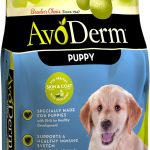
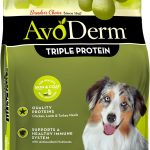
 AvoDermAvoDerm Advanced Joint Health Grain-Free Chicken Meal Formula Dry Dog Food
 AvoDermAvoDerm Natural Grain-Free Limited Ingredient Diet Revolving Menu Turkey Recipe Dry Dog Food
 AvoDermAvoDerm Natural Small Breed, Grain-Free Limited Ingredient Revolving Menu Lamb Recipe Dry Dog Food


Sources
What we read
Checked October 1, 2026.
- 1 Effect of the addition of papain enzyme on digestive parameters and palatability of extruded diets for dogs
- 2 Safety evaluation of the food enzyme papain from the latex of Carica papaya L.
- 3 Enzymes for pet food digest production
- 4 Exocrine Pancreatic Insufficiency in Dogs and Cats
- 5 Effects of addition of peptides prepared from chicken or bonito meat by papain to cat food on palatability for cats