
Ingredient file // Flavor
Prime Rib Flavor
A taste cue for the dog, not a serving of beef
Prime rib flavor is a flavoring built to make food smell and taste like roast beef, made the way pet food meat flavors are: from broken-down animal tissue, yeast, or amino acids browned with sugar. It gets the food eaten but adds no nutrition worth counting.
- What it is
- A flavoring added so the food smells and tastes of roast beef. Its job is taste, not nutrition.
- Made from
- Animal digests, yeast, or amino acids heated with sugars
- Main job
- Gets the food eaten
- Typical amount
- Not published; dry food palatants run 0.5 to 3%
- Watch for
- Unnamed flavor source for dogs with beef allergy
- Not the same as
- Beef or beef ribs
Straight answer
Is Prime Rib Flavor safe for dogs?
Read the named meats, not the flavor
Prime rib flavor tells you how the food will smell, not how much beef it holds; the flavor rule sets no minimum. Judge the food by the named meats in the ingredient list and the guaranteed analysis. If your dog reacts to beef, ask the maker what the flavor is made from before you buy.
- Why it is in the food
- Gets the food eaten
- Watch for
- Dogs with beef allergy
- How common
- Listed by 3 of the 3,205 foods we track
Our read // In our catalog
In 1 of every 1,068 foods we track
Share of foods that list it
<1%
3 of the 3,205 foods with an ingredient list on file, from 3 brands. All wet dog food.
Each square is 1% of the catalog
Where it sits on the label
Median position 16. In the top five of 0 foods, so it is usually a minor ingredient.
Above the salt
Usually listed after the salt, which caps it at roughly 1% of the recipe in 67% of foods.
Who leans on it
33%
of the foods that list it are from Cesar. 3 brands use it in total.
What it is
How it is made
Meat flavors for pet food come from palatant makers, not butchers. They break animal tissue down with enzymes or acid, or heat amino acids with sugars until they brown, building roasted meat aromas.3,5,6
- 01 // Source Tissue, yeast or amino acids Beef and pork digests start from parts like lungs, spleen, kidneys, liver and blood. Other flavors start from yeast or free amino acids.
- 02 // Process Hydrolyzed Enzymes or chemicals break the tissue down, releasing the amino acids and fatty acids that carry the meaty taste.
- 03 // Process Browned Amino acids react with reducing sugars under heat, the Maillard reaction, which produces meaty and brothy aroma compounds.
- 04 // Output Liquid or powder flavor Palatants ship as dry powders or as liquids, the two forms pet food plants weigh into a recipe.
What is in it
Composition, as fed
2-30
% amino acids
Free amino acids in a patented wet food flavor system; the protein hydrolyzate, 15 to 85% of it, spans animal, feather, vegetable, or yeast sources.
Why it is in the bag
What the manufacturer gets
-
01
Gets the food eaten
A 2021 review concluded that smell drives which food a dog picks and flavor keeps it eating. A meat flavor targets both.3
-
02
Puts prime rib on the label
The flavor rule lets a product name say prime rib flavor as long as a listed ingredient supplies a detectable flavor. No set amount of beef is required.1,2
-
03
Small dose, big effect
Dry palatant powders go in at 0.5 to 2% and liquids at 1 to 3%, so a small share of the recipe sets the taste of the whole food.3
How much No maker publishes it; dry food palatants run 0.5 to 3%, and one wet food flavor patent covers 0.5 to 50% of the product.3,5
Our read // The claims
What the evidence supports
Strong: controlled studies in dogs agree. Some: small or mixed dog data. Thin: mechanism or lab work only. None: nothing, or the evidence points the other way.
-
Brands say
Added flavor makes dogs like the food more
Evidence
- Strong
- Some
- Thin
- None
In a 2-pan test with 25 dogs, a liver hydrolysate raised preference over food without it. A chicken liver attractant took about 63% of intake against mushroom and mealworm attractants. We found no published test of prime rib flavor specifically.3,4
-
Brands say
Dogs prefer beef flavor to chicken
Outruns the evidence
Evidence
- Strong
- Some
- Thin
- None
A 1974 study ranked whole-meat preference beef, then lamb, then chicken, but Houpt and Hintz found beef and pork liked about equally, both above chicken and lamb. Both are decades-old studies of meats, not manufactured flavor products like this one.3
-
Vets say
Flavors can hide beef from allergic dogs
Evidence
- Strong
- Some
- Thin
- None
Beef was the trigger in 102 of 297 dogs with proven food reactions, the top allergen. Federal animal food rules count meat protein hydrolysates as natural flavor, and a dog study testing reactions at flavor-level doses was not found in this review.6,7
-
Owners say
The food contains real prime rib
Outruns the evidence
Evidence
- Strong
- Some
- Thin
- None
The flavor rule sets no minimum amount; a listed ingredient just needs to supply a detectable flavor. Nothing requires rib roast, but the ingredient list still needs something that gives beef flavor.1,2
Straight answers
What owners ask
-
Q01
Is it just filler?
No, it's flavorFiller would have no job. This one has a clear job, getting the dog to eat, and federal animal food rules define a natural flavor by its function: flavoring, not nutrition. Judge it on taste, not nutrients.3,6
-
Q02
Is there real prime rib in it?
Not requiredThe label only needs an ingredient that gives a detectable prime rib flavor, with no set percentage. The beef you can count on is whatever beef appears by name in the ingredient list.1,2
Who uses it
Brands, best sellers and the company it keeps
Top brands, by foods that list it
Foods that list it / all the brand's recipes we track.
Usually listed with, share of the foods that list it
- Water 100%
- Chicken 100%
- Beef 100%
- Chicken Liver 67%
- Wheat Gluten 67%
- Wheat Flour 67%
- Animal Plasma 33%
- Chicken Heart 33%
- Corn Starch 33%
- Dried Plain Beet Pulp 33%
- Meat By-Products 33%
- Salt 33%
On the shelf
Foods that list Prime Rib Flavor
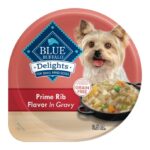
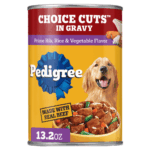
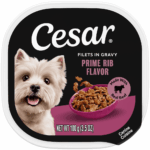
3 foods in our catalog list it, highest on the label first.
Sources
What we read
Checked October 24, 2026.
- 1 Reading Labels
- 2 A Consumer's Guide: Overview of Pet Food Labels
- 3 Dry Pet Food Flavor Enhancers and Their Impact on Palatability: A Review
- 4 Modern Palatant Strategies in Dry and Wet Pet Food: Formulation Technologies, Patent Innovations, and Market Evolution
- 5 Wet pet food palatability-enhancing composition (US11528923B2)
- 6 21 CFR 501.22 Animal foods; labeling of spices, flavorings, colorings, and chemical preservatives
- 7 Critically appraised topic on adverse food reactions of companion animals (2): common food allergen sources in dogs and cats