
Ingredient file // Other
Probiotics
A plausible gut aid that needs specifics
Probiotics are live bacteria or yeast added to food in small amounts. Named strains have improved some digestion and stool measures in dog trials, but results differ. A generic listing tells you too little about the strain or live dose to promise a benefit.
Role in the food Does a job- What it is
- Live bacterial or yeast cultures added to food with the aim of benefiting a dog's gut.
- Made from
- Cultured bacteria or yeast, often with a carrier
- Main job
- Deliver live gut microbes
- Typical amount
- Not published
- Watch for
- Unnamed strains or no live-count guarantee
- Not the same as
- Prebiotic fiber or postbiotics
Straight answer
Is Probiotics safe for dogs?
Ask for the strain and live count
Probiotics belong near the end of a kibble ingredient list because the dose is small. Look for a named strain, a live-cell guarantee and evidence from dogs given that strain. If the bag says only “probiotics,” treat its gut promise as unverified and judge the food by the full recipe.
- Why it is in the food
- Deliver live gut microbes
- Watch for
- Severely weakened immune systems; Culture quality and identity; Resistance genes in some products
- How common
- Listed by 4 of the 3,205 foods we track
Our read // In our catalog
In 1 of every 801 foods we track
Share of foods that list it
<1%
4 of the 3,205 foods with an ingredient list on file, from 4 brands. 3 dry dog food, 1 dog food topper.
Each square is 1% of the catalog
Where it sits on the label
Median position 22. In the top five of 0 foods, so it is usually a minor ingredient.
Above the salt
Usually listed after the salt, which caps it at roughly 1% of the recipe in 100% of foods.
Price per lb
Median of the cheapest bag price across 3 priced foods, 10% below the catalog. The price is the food's, not the ingredient's.
Who leans on it
25%
of the foods that list it are from Grandma Lucy's. 4 brands use it in total.
What it is
How it is made
Feed-additive makers grow selected microbes, then prepare a dry culture for mixing into food. This is a purpose-made addition, not a leftover from meat or grain processing. The culture must survive manufacturing and storage to deliver live cells.1,7,9
- 01 // Source Selected culture Production begins with a specific bacterial or yeast strain; dog trial results apply to the strain tested.
- 02 // Process Culture grown The selected microbes are multiplied through fermentation to produce a concentrated culture.
- 03 // Process Dried with carrier The culture is prepared as a dry powder, often with a carrier that helps distribute a small dose.
- 04 // Output Culture powder The powder reaches the kibble plant for mixing before cooking or coating onto finished kibble.
What is in it
Composition, dry matter
34.87
% protein
Protein in one poultry probiotic powder. Its carrier and added nutrients contribute to this figure; it says nothing about the live dose in dog food.
These dry matter figures describe one yeast and bacterial powder tested in chickens, not a standard dog food culture. Its soy-based carrier and added nutrients affect the analysis; another preparation could differ substantially.7
Why it is in the bag
A gut add-in, only as good as its strain
- Main nutrition
- Supporting nutrient
- Does a job
- Mostly filler
Probiotics are not there for nutrition or bulk. Makers add a live culture for a hoped-for gut effect and the label claim it brings. The recipe share is tiny, 0.0002 to 0.03% in one kibble study, so it adds no nutrients. The job depends on strain and surviving dose: culture added before extrusion lost 2.6 logs of live cells. FDA expects each microbe named with a count per gram; a bare "probiotics" listing shows neither.1,9
-
01
Targets gut conditions
Manufacturers add live cultures to influence gut microbes and digestion. Dog trials show that the measured effects depend on the strain, dose and outcome.1,2,3
-
02
Adds a gut claim
A small addition gives a brand a probiotic claim. The claim is easier to assess when the label names the strain and guarantees a testable live count.8,9
-
03
Fits a small dose
Concentrated powder takes little recipe space. Mixing it before extrusion simplifies production, but heat losses mean manufacturers may need to add more, raising formula cost.1
-
04
Allows surface coating
Applying culture powder after cooking avoids the extrusion step. In one dog trial, the highest coated dose improved digestibility while lower coated doses did not.1
How much One controlled kibble study tested 0.0002 to 0.03% culture powder by recipe weight; live counts varied sharply with processing.1
Our read // The claims
What the evidence supports
Strong: controlled studies in dogs agree. Some: small or mixed dog data. Thin: mechanism or lab work only. None: nothing, or the evidence points the other way.
-
Brands say
Probiotics improve nutrient digestion
Outruns the evidence
Evidence
- Strong
- Some
- Thin
- None
A Kerry-funded, 10-dog crossover trial found better organic matter and energy digestibility at its highest coated dose, about 1.37 billion live cells daily. Lower coated doses and powder added before extrusion did not give the same result. The benefit is strain and dose specific.1
-
Brands say
Probiotics shorten a dog's diarrhea
Outruns the evidence
Evidence
- Strong
- Some
- Thin
- None
A guideline pooled 4 controlled trials involving 149 dogs with acute diarrhea. The average reduction was 0.68 days, below its threshold for a meaningful benefit. One trial found a larger effect, so the evidence does not support a blanket promise.6
-
Brands say
Probiotics keep stools firm
Outruns the evidence
Evidence
- Strong
- Some
- Thin
- None
An abstract-only report of a 16-dog trial found firmer stools with Bacillus subtilis C-3102. A 10-dog kibble trial found no stool improvement, and a Kerry-funded 12-dog diet-change trial found none with another strain. The generic promise goes too far.1,2,3
-
Brands say
Probiotics boost immune protection
Outruns the evidence
Evidence
- Strong
- Some
- Thin
- None
A brand-authored trial followed 14 puppies fed Enterococcus faecium SF68 or a control diet and measured higher immune markers, including vaccine antibodies. It did not test whether puppies caught fewer infections, so protection remains unshown.4
-
Owners say
Probiotics permanently reset gut bacteria
Outruns the evidence
Evidence
- Strong
- Some
- Thin
- None
In a 15-dog study of a commercial synbiotic, some bacterial groups changed during feeding, but the changes did not persist after it stopped. The study found no significant change in microbial diversity.5
Straight answers
What owners ask
-
Q01
Is it just filler?
NoLive cultures are added for a proposed gut effect, not to bulk out kibble. Their recipe weight is tiny. The useful question is whether the bag identifies a tested strain and states how many live cells it delivers.1,9
-
Q02
Do the microbes survive kibble heat?
Not reliablyIn one experiment, adding Bacillus coagulans before extrusion caused a 2.6-log loss in viable cells. Coating finished kibble avoided that cooking step. A probiotic name on the ingredient list alone cannot tell you the surviving count.1
-
Q03
Can the label prove it works?
Only partlyA named strain and a testable live-count guarantee make the contents easier to check. They still do not show a health benefit in your dog; that requires a trial using the same strain at a relevant dose.1,9
-
Q04
Will it treat ongoing diarrhea?
No guaranteeControlled trials found, on average, less than 1 day of improvement for acute diarrhea. Persistent or worsening signs need a cause identified; a probiotic line on a bag is not a treatment plan.6
Who uses it
Brands, best sellers and the company it keeps
Top brands, by foods that list it
Foods that list it / all the brand's recipes we track.
Usually listed with, share of the foods that list it
- Flax Seed 50%
- Turkey Meal 50%
- Mixed Tocopherols 50%
- Chicken Meal 50%
- Chicken Fat 50%
- Beef 25%
- Beef Liver 25%
- Pumpkin Flakes 25%
- Coconut Flour 25%
- Broccoli 25%
- Organic Apple 25%
- Ginger 25%
On the shelf
Foods that list Probiotics
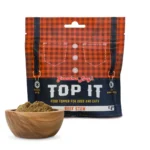
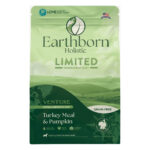
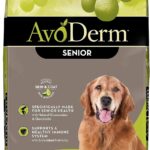
4 foods in our catalog list it, highest on the label first.

Sources
What we read
Checked October 1, 2026.
- 1 Evaluation of graded levels of Bacillus coagulans GBI-30, 6086 on apparent nutrient digestibility, stool quality, and intestinal health indicators in healthy adult dogs
- 2 Effect of Calsporin® (Bacillus subtilis C-3102) addition to the diet on faecal quality and nutrient digestibility in healthy adult dogs
- 3 Evaluation of Bacillus subtilis ATCC PTA-122264 on the fecal characteristics and microbiota of healthy adult dogs subjected to an abrupt diet change
- 4 Supplementation of Food with Enterococcus faecium (SF68) Stimulates Immune Functions in Young Dogs
- 5 Longitudinal Survey of Fecal Microbiota in Healthy Dogs Administered a Commercial Probiotic
- 6 European Network for Optimization of Veterinary Antimicrobial Therapy (ENOVAT) guidelines for antimicrobial use in canine acute diarrhoea
- 7 Effect of different levels of supplemental yeast on body weight, thyroid hormones metabolism and lipid profile of broiler chickens
- 8 Investigating antimicrobial resistance genes in probiotic products for companion animals
- 9 CPG Sec. 689.100 Direct-Fed Microbial Products
- 10 The power of probiotics