
Ingredient file // Flavor
Sugar
A taste ingredient with little nutritional value
Sugar on a dog food label means refined sucrose from cane or beets. Dogs can use its calories, and sweetened test diets appealed to them. It adds essentially no protein, fat or fiber, so its value in a recipe is taste.
- What it is
- Refined sucrose crystals extracted from sugarcane or sugar beets and added to food for sweetness.
- Made from
- Sugarcane stalks or sugar beet roots
- Main job
- Makes food taste sweeter
- Typical amount
- Not published
- Watch for
- Sugary extras in a diabetic dog's diet
- Not the same as
- Xylitol
Straight answer
Is Sugar safe for dogs?
Treat sugar as a taste ingredient
If sugar sits near the end of a complete food's ingredient list, read it as a taste choice and judge the food by the ingredients above it. If it is prominent in a topper or treat, check the calories and portion you feed. For a dog with diabetes, follow its feeding plan.
- Why it is in the food
- Makes food taste sweeter
- How common
- Listed by 8 of the 3,205 foods we track
Our read // In our catalog
In 1 of every 401 foods we track
Share of foods that list it
<1%
8 of the 3,205 foods with an ingredient list on file, from 4 brands. 5 dry dog food, 2 wet dog food, 1 dog food topper.
Each square is 1% of the catalog
Where it sits on the label
Median position 13. In the top five of 0 foods, so it is usually a minor ingredient.
Above the salt
Usually listed after the salt, which caps it at roughly 1% of the recipe in 86% of foods.
Price per lb
Median of the cheapest bag price across 5 priced foods, 51% below the catalog. The price is the food's, not the ingredient's.
Who leans on it
38%
of the foods that list it are from Cesar. 4 brands use it in total.
What it is
How it is made
Sugar comes from two different crops processed by different methods, cane and beet, that both end in the same refined crystal. Pet food makers buy the finished crystals, not the raw plant.6,14,15
- 01 // Source Cane stalks or beet roots Field harvesters chop sugarcane into short billets, while beet growers lift mature roots from the soil.
- 02 // Process Juice extracted Mills shred and press cane stalks for juice; beet processors slice roots into strips and soak them in hot water to pull out the sugar.
- 03 // Process Purified and evaporated The juice is clarified, then evaporated into a concentrated syrup, around 60% sucrose for beet thick juice.
- 04 // Process Crystallized and spun Seeded syrup crystallizes under vacuum, and centrifuges spin out the sugar crystals from the remaining liquor.
- 05 // Output Refined sugar Beet crystals come out as finished white sugar; cane raw sugar travels to a separate refinery to be melted and recrystallized white.
What is in it
Composition, dry matter
99.8
% sucrose
Granulated sugar is almost entirely sucrose. It supplies carbohydrate calories while contributing essentially no protein, fat or fiber.
Why it is in the bag
What the manufacturer gets
-
01
Makes food more appealing
Dogs preferred sucrose sweetened test diets over bland versions. A manufacturer can use that preference to increase interest in a recipe, though the whole food affects choice.1,2
-
02
Helps retain softness
A pet food brand says small amounts of sugar help products keep their texture during storage. That is a manufacturing use, not a nutritional benefit for the dog.13
-
03
Available at scale
US sugar production runs to millions of tons a year. That supply makes refined sucrose practical for large manufacturing runs.7
How much A dog preference study tested diets containing 1 to 20% sucrose; those test amounts do not show typical pet food use.1
Our read // The claims
What the evidence supports
Strong: controlled studies in dogs agree. Some: small or mixed dog data. Thin: mechanism or lab work only. None: nothing, or the evidence points the other way.
-
Brands say
Dogs prefer food with added sugar
Evidence
- Strong
- Some
- Thin
- None
Dogs preferred diets containing 1 to 20% sucrose over a bland diet in a 1979 study, and 6 beagles ate more of a diet sweetened to 25% sucrose in a 2003 study. Both are small, old trials, not proof of how much sugar a finished food needs.1,2
-
Owners say
Sugar raises a dog's blood glucose
Evidence
- Strong
- Some
- Thin
- None
In a study of 9 healthy dogs, an oral sucrose dose of 1 g/kg produced a blood glucose response. That measured dose was separate from a meal and does not predict the effect of a small addition to food.3
-
Owners say
Sugar in kibble causes cavities
Outruns the evidence
Evidence
- Strong
- Some
- Thin
- None
A veterinary dental review describes bacteria making enamel damaging acid from sugar, but says cavities are uncommon in dogs. It does not show that sucrose added to kibble causes them.10
-
Critics say
Sugar in dog food causes diabetes
Outruns the evidence
Evidence
- Strong
- Some
- Thin
- None
The 9-dog sucrose study measured short term glucose responses, not diabetes. Guidance for dogs already diagnosed with diabetes warns that carbohydrate heavy extras can disrupt insulin regulation. Neither finding shows that added sugar causes the disease.3,9
Straight answers
What owners ask
-
Q01
Is it just filler?
Yes, in partSugar has a job: dogs often favor its sweet taste, and it supplies calories. But it adds essentially no protein, fat or fiber. A complete dog food does not need added sugar.1,5
-
Q02
How much sugar is in this food?
Usually unknownThe ingredient list ranks ingredients by weight but gives no percentage for sugar. A low listing means less was added than ingredients above it; it cannot tell you the amount your dog eats.8
-
Q03
Is sugar the same as xylitol?
NoSugar here is sucrose, a carbohydrate that supplies calories. Xylitol is a different sweetener that can poison dogs. If your dog eats a product containing xylitol, seek veterinary help immediately.5,12
Who uses it
Brands, best sellers and the company it keeps
Top brands, by foods that list it
Foods that list it / all the brand's recipes we track.
Amazon best sellers that list it
Rank on Amazon's dog food best seller list, checked October 2026.
Usually listed with, share of the foods that list it
- Chicken By-Product Meal 63%
- Meat and Bone Meal 63%
- Soybean Meal 63%
- Animal Fat 63%
- Natural Flavor 63%
- Brewers Rice 50%
- BHA 50%
- Citric Acid 50%
- Wheat 38%
- Corn Gluten Meal 38%
- Chicken Broth 25%
- Chicken 25%
On the shelf
Foods that list Sugar
8 foods in our catalog list it, highest on the label first.
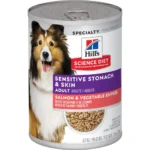 Hill'sHill’s Science Diet Adult Sensitive Stomach & Skin Salmon & Vegetable Entrée Wet Dog Food
 BlueBlue Basics Skin And Stomach Care Salmon Gravy Dog Food Topper
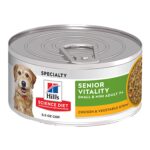 Hill'sHill’s Science Diet Adult 7+ Senior Vitality Small & Mini Chicken & Vegetable Stew Wet Dog Food
 PedigreePedigree Tender Bites Chicken & Steak Flavor Dry Dog Food
 PedigreePedigree Tender Bites for Small Dogs Chicken & Steak Flavor Dry Dog Food
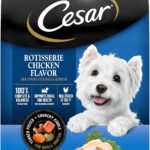 CesarCesar Rotisserie Chicken Flavor & Spring Vegetables Garnish Dry Dog Food
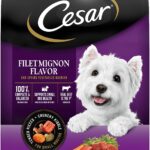 CesarCesar Filet Mignon Flavor & Spring Vegetables Garnish Dry Dog Food

Sources
What we read
Checked October 1, 2026.
- 1 Effect of sex and reproductive status on sucrose preference, food intake, and body weight of dogs
- 2 Palatability Affects the Percentage of Metabolizable Energy as Protein Selected by Adult Beagles
- 3 Brush border enzyme hydrolysis and glycaemic effects of isomaltulose compared to other saccharides in dogs
- 4 Study of ingredients and nutrient composition of commercially available treats for dogs
- 5 Granulated Sugar
- 6 Solving Challenges in Sugarcane Factories and Refineries
- 7 Sugar and Sweeteners - Market Outlook
- 8 Animal Food Labeling and Pet Food Claims
- 9 Diets for diabetic dogs
- 10 Dental Caries in Small Animals
- 11 Feeding treats to your dog
- 12 Paws Off Xylitol; It's Dangerous for Dogs
- 13 Why does pet food contain sugar?
- 14 Beet sugar factory
- 15 Beet sugar factory (processing stages)