
Ingredient file // Vitamin or mineral
Cobalt Glucoheptonate
A livestock mineral that does nothing for dogs
Cobalt glucoheptonate is a cobalt salt made for cattle and sheep, whose gut microbes turn cobalt into vitamin B12. Dogs need their B12 already made, so in kibble it adds a trace of cobalt and no benefit.
Role in the food Mostly filler- What it is
- A manufactured compound of cobalt and a sugar-derived acid, sold as a cobalt source for livestock feed.
- Made from
- Cobalt carbonate reacted with glucoheptonic acid
- Main job
- Cobalt source for ruminants
- Typical amount
- Not published
- Watch for
- It does not supply vitamin B12
- Not the same as
- Vitamin B12 supplement
Straight answer
Is Cobalt Glucoheptonate safe for dogs?
Skip past it and look for B12
It sits at the tail of the list among the trace minerals and does no proven good there. Do not choose or reject a food for it alone. Look instead for vitamin B12 supplement in the vitamin list and named animal ingredients near the top.
- Why it is in the food
- Cobalt source for ruminants
- How common
- Listed by 8 of the 3,205 foods we track
Our read // In our catalog
In 1 of every 401 foods we track
Share of foods that list it
<1%
8 of the 3,205 foods with an ingredient list on file, from 3 brands. 5 dry dog food, 3 wet dog food.
Each square is 1% of the catalog
Where it sits on the label
Median position 51. In the top five of 0 foods, so it is usually a minor ingredient.
Above the salt
Usually listed after the salt, which caps it at roughly 1% of the recipe in 100% of foods.
Price per lb
Median of the cheapest bag price across 5 priced foods, about level with the catalog. The price is the food's, not the ingredient's.
Who leans on it
38%
of the foods that list it are from Gentle Giants. 3 brands use it in total.
What it is
How it is made
Feed mineral companies make it for cattle and sheep rations, because rumen microbes need cobalt to build vitamin B12. It is a manufactured chemical, not a leftover: cobalt carbonate reacted with an acid, then dried.4,5
- 01 // Source Cobalt carbonate The patented recipe starts with cobalt carbonate and glucoheptonic acid in water, two moles of acid to one of cobalt carbonate.
- 02 // Process Reacted and filtered The cobalt carbonate is added to the stirred acid solution, stirred for 15 minutes, then filtered.
- 03 // Process Dried under vacuum The liquid is concentrated under reduced pressure at 40°C, treated with ethanol and dried to a solid.
- 04 // Output Cobalt glucoheptonate The pure compound tests at 11.3% cobalt. A commercial version sold to feed makers is diluted to about 2.5% cobalt.
What is in it
Composition, dry matter
2.5
% cobalt
Cobalt in a commercial cobalt glucoheptonate product. About half its dry weight is ash, so most of what gets weighed in is not cobalt.
Why it is in the bag
Label dressing for dogs, not bulk or nutrition
- Main nutrition
- Supporting nutrient
- Does a job
- Mostly filler
Here filler means label dressing, not bulk. EU rules cap total cobalt at 1 mg per kg of complete feed, so it adds almost no weight. Only animals that make B12 in the gut, like cattle, horses and rabbits, can use cobalt, so for a dog it likely does nothing. It is likely carried over from livestock mineral packs, or there to lengthen the ingredient list, as one nutrition professor guessed.1,2,7
-
01
Carried over from livestock
Cobalt belongs in feed for ruminants, horses and rabbits, which make B12 in the gut. EFSA's feed panel found no need to add it for any other animal.1
-
02
A longer ingredient list
Asked why cobalt carbonate sat in a cat food, a nutrition professor guessed it simply gave the brand a 13th ingredient to match competitors. An anecdote, but no nutritional reason exists.1,7
-
03
The organic mineral label
Zinpro sells its minerals as having the highest biological efficacy on the market. Its own patent tested this one only in fermenters simulating a cow's rumen.4,6
-
04
Cheap at trace doses
A horse feed retailer sells a 2.5% cobalt version at $15.75 per kg. That kilo holds about 25 g of cobalt, enough for 25 tonnes of feed at the EU ceiling.2,5
How much No source publishes a dog food dose, and EU rules cap total cobalt at 1 mg per kg of complete feed even for species that use it.2
Our read // The claims
What the evidence supports
Strong: controlled studies in dogs agree. Some: small or mixed dog data. Thin: mechanism or lab work only. None: nothing, or the evidence points the other way.
-
Critics say
Cobalt does nothing for a dog
Evidence
- Strong
- Some
- Thin
- None
EFSA's feed panel concluded that only animals making B12 in the gut, like ruminants, horses and rabbits, can use cobalt. Dog gut bacteria make B12 in the large intestine, past where it is absorbed, so dogs rely on B12 in food. This rests on mechanism, not a dog trial.1,3,9
-
Brands say
Organic chelated cobalt is better absorbed
Outruns the evidence
Evidence
- Strong
- Some
- Thin
- None
The only test found is the maker's own patent: rumen fermenters fed glucoheptonate at 1 ppm cobalt digested 29.7% of dry matter, against 25.8 to 26.7% for two other cobalt forms and an unsupplemented control. That measures cow microbes, not absorption in a dog.4
-
Brands say
Cobalt helps dogs make vitamin B12
Outruns the evidence
Evidence
- Strong
- Some
- Thin
- None
Bacteria in a dog's large intestine make some B12, but downstream of where it is absorbed. Dogs cannot make it themselves and rely on B12 in food, mainly animal ingredients. No source shows added cobalt raising a dog's B12.3,9
-
Owners say
Cobalt in dog food is toxic
Outruns the evidence
Evidence
- Strong
- Some
- Thin
- None
Cobalt has hazards: EFSA calls cobalt(II) genotoxic and carcinogenic, and lists heart, blood and thyroid effects in people. No study has tested trace cobalt in dog food, and the additive EFSA reviewed in 2026 is authorized for ruminants, horses, rabbits and rodents, not dogs.1,2
Straight answers
What owners ask
-
Q01
Is it just filler?
No, a passengerFiller adds bulk, and this adds almost none, since feed rules keep cobalt to trace levels. It is a passenger instead: a mineral meant for cattle and sheep that a dog's body has no use for.1,2
-
Q02
Does my dog need cobalt?
Only inside B12Dogs need cobalt only as the center of vitamin B12, and they must eat that vitamin ready-made. Animal proteins like meat, organs, dairy and eggs carry it; plant ingredients do not.3,9
-
Q03
Should I avoid foods that list it?
Not for this aloneNo one has assessed its safety in dogs, and it brings them no benefit. That makes it a wasted line, not a proven hazard. Judge the food on its protein sources and its vitamin list, not on this line.1,2
-
Q04
Will it help a dog with low B12?
NoLow B12 needs B12. In a randomized trial of 53 dogs with gut disease, daily oral cyanocobalamin raised blood levels as well as injections did. Cobalt played no part.8
Who uses it
Brands, best sellers and the company it keeps
Top brands, by foods that list it
Foods that list it / all the brand's recipes we track.
Usually listed with, share of the foods that list it
- Natural Flavor 63%
- Pearled Barley 50%
- Brown Rice 50%
- Carrots 50%
- Peas 38%
- Flaxseed 38%
- Dried Egg Product 38%
- Green Beans 38%
- Flaxseed Oil 38%
- Oatmeal 25%
- Menhaden Fish Meal 25%
- Dried Yeast 25%
On the shelf
Foods that list Cobalt Glucoheptonate
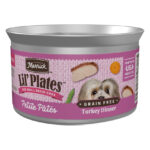
8 foods in our catalog list it, highest on the label first.
 MerrickMerrick Lil’ Plates Petite Pates Chicken Grain-Free Wet Dog Food
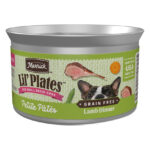 MerrickMerrick Lil’ Plates Petite Pates Lamb Grain-Free Wet Dog Food
 Gentle GiantsGentle Giants Wild Caught Salmon - Gentle Giants ‘Quality of Life’ Feast for Seafood Lovers - Dog and Puppy Food Natural, Non GMO Ingredients Dry Dog Food
 Gentle GiantsGentle Giants Gentle Giants ‘Quality of Life’ Feast for Meat Lovers - with Real Beef & Real Bacon - Dog and Puppy Food Natural, Non GMO Ingredients Dry Dog Food
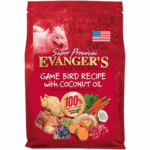 Evanger'sEvanger’s Super Premium New! Gamebird Recipe with Coconut Oil for Dogs - Dry Dog Food
 Evanger'sEvanger’s Super Premium Game Bird Recipe with Coconut Oil Dry Dog Food

Sources
What we read
Checked October 1, 2026.
- 1 Scientific Opinion on the use of cobalt compounds as additives in animal nutrition
- 2 Assessment of the feed additive consisting of coated granulated cobalt(II) carbonate for ruminants with functional rumen, equidae, lagomorphs, rodents, herbivore reptiles and zoo mammals for the renewal of its authorisation (Dox-al Italia SpA)
- 3 Vitamin B12 (Cobalamin) - Nutrition
- 4 Cobalt complexes and their use as nutritional supplements (US4678854A)
- 5 CoPRO 25 (Zinpro)
- 6 Zinpro COPRO
- 7 Cobalt, cattle, cats
- 8 In Dogs With Chronic Enteropathies, Can Oral B12 Tablets Be Used to Treat Hypocobalaminaemia?
- 9 Essential to Every Cell: Cobalamin in Health and Disease